

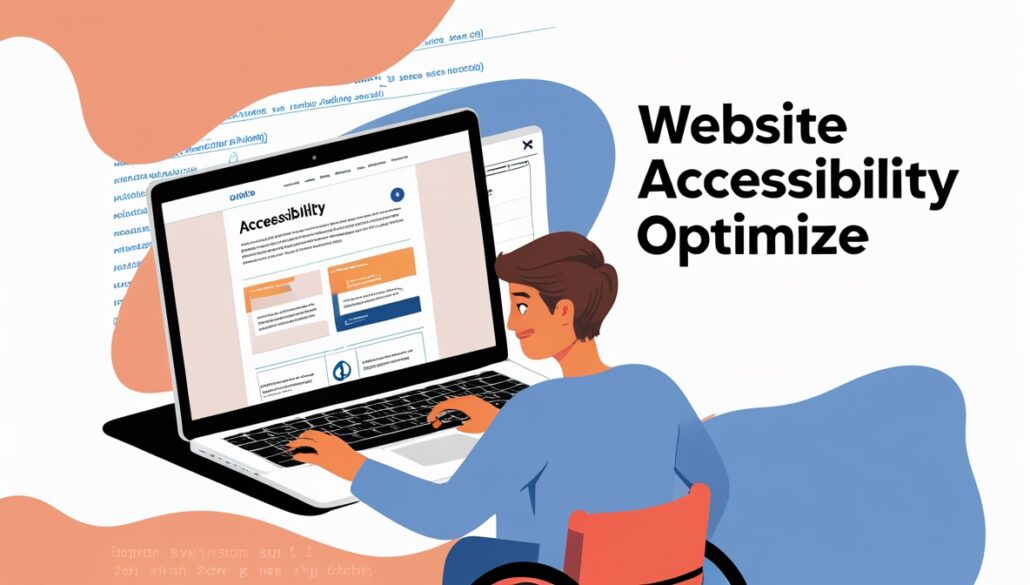
Website accessibility is no longer optional—it’s essential for both SEO success and user experience. An accessible website ensures that people with disabilities can easily navigate and interact with your content, while search engines can better understand and rank your pages. In fact, many accessibility best practices directly align with SEO guidelines. In this article, we’ll explain how to check website accessibility and how optimizing it can improve both search rankings and user satisfaction.
What Is Website Accessibility?
Website accessibility means designing and developing your site so that all users, including people with visual, hearing, motor, or cognitive impairments, can use it effectively. This includes screen-reader compatibility, keyboard navigation, readable text, and clear structure.
Search engines favor accessible websites because they are usually well-structured, fast, and user-friendly—key SEO ranking factors.
Why Accessibility Matters for SEO
Accessibility and SEO overlap in several ways:
- Clean HTML helps search engines crawl content
- Proper heading structure improves keyword relevance
- Alt text enhances image SEO
- Fast, mobile-friendly pages reduce bounce rates
- Better usability increases engagement metrics
Simply put, an accessible site performs better for both users and search engines.